How the Kia Oval cut electricity use by 6% with smarter building controls

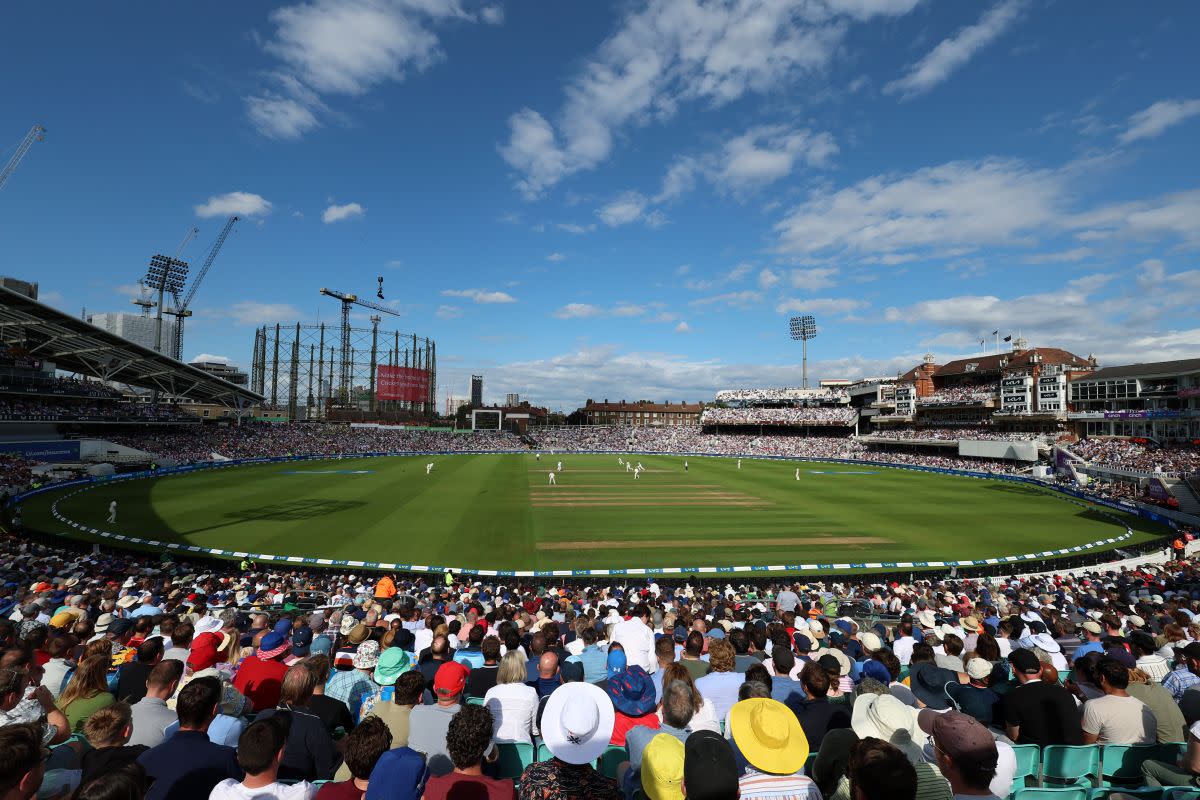
Behind the scenes at the Kia Oval: An energy survey focusing on the stadium’s building management system (BMS), coupled with upgrades to the control and automation setup, has enabled Surrey County Cricket Club to cut electricity use by 6% and progress its net zero goals.
Every building has a life of its own – and that life is rarely static. The office block that buzzes with thousands of workers on a Monday morning falls eerily quiet by Friday evening. A school corridor crackling with anticipation in September gives way to the freedom of summer by July.
The Kia Oval is no different. A cricket ground that roars with 27,500 fans during an England Test match becomes a very different place when it's hosting a conference, gala dinner or stadium tour.
Here, activity rarely stops. The building's rhythm is constantly changing. And the heating, cooling, ventilation and lighting needed to keep everyone comfortable change too.
That prompted Surrey County Cricket Club and SSE Energy Solutions to ask a simple question: was the building's automation and control system responding as dynamically as the venue itself? The answer came through an energy survey carried out as part of their sustainability partnership.
Energy Performance Survey
“The energy audit is one of the fantastic things that has come out of our relationship,” explains Emily Iveson-Pritchard, Head of Sustainability for Surrey County Cricket Club. “It has helped us identify our hotspots and really home in on what matters.”
“Since then, we’ve seen electricity savings of 6% across the year, which is brilliant for a business of this size. Electricity makes up all our Scope 2 emissions, so that has a real, measurable impact on our carbon footprint.”
The audit Emily is referring to was an ISO 52120-based Energy Performance Survey. Unlike the broad focus of a traditional energy audit, this zones in on the effectiveness of a building’s automation and control mechanisms – effectively its building management system (BMS) and lighting.
What is a building management system (BMS)?
You could think of a BMS as a building's nervous system. The software and controllers act as the brain, processing information and making decisions, while an intricate network of sensors, meters and actuators forms the nerves, constantly carrying signals between the software and the building's organs: its heating, air conditioning, ventilation (HVAC) and other plant.
Just as a living organism responds in real-time to external stimuli, a well-configured BMS enables a building to adapt to changing patterns like occupancy and temperature as well as external data such as weather forecasts and time-of-use electricity tariffs. The goal is to achieve the desired environmental conditions and comfort levels without spending any more on energy than necessary.
How improved controls delivered 6% savings
At the Kia Oval, the survey uncovered a range of relatively straightforward issues, from an older stand with no building controls in place, to manually operated systems and fragmented metering across other parts of the grounds.
None of these findings were especially dramatic. Yet the impact of addressing them was: the 6% reduction in site-wide electricity use was particularly impressive given that extra air-handling units were added to improve spectator comfort, as an additional follow up from the survey.
Why building management systems need ongoing optimisation

What was uncovered at Surrey’s iconic cricket ground is far from unusual, according to Adrian Newsome, a Smart Buildings adviser at SSE Energy Solutions.
Even in buildings, like the Kia Oval, where a building management system is already in place, building energy performance can drift over time. Systems are often carefully configured at the outset, but as buildings evolve, with changing occupancy, operational tweaks and manual overrides, that original optimisation gradually slips.
The result is energy being used when it doesn’t need to be – empty spaces being heated or cooled as if they’re occupied; systems running longer than necessary; and heating and cooling fighting against each other.
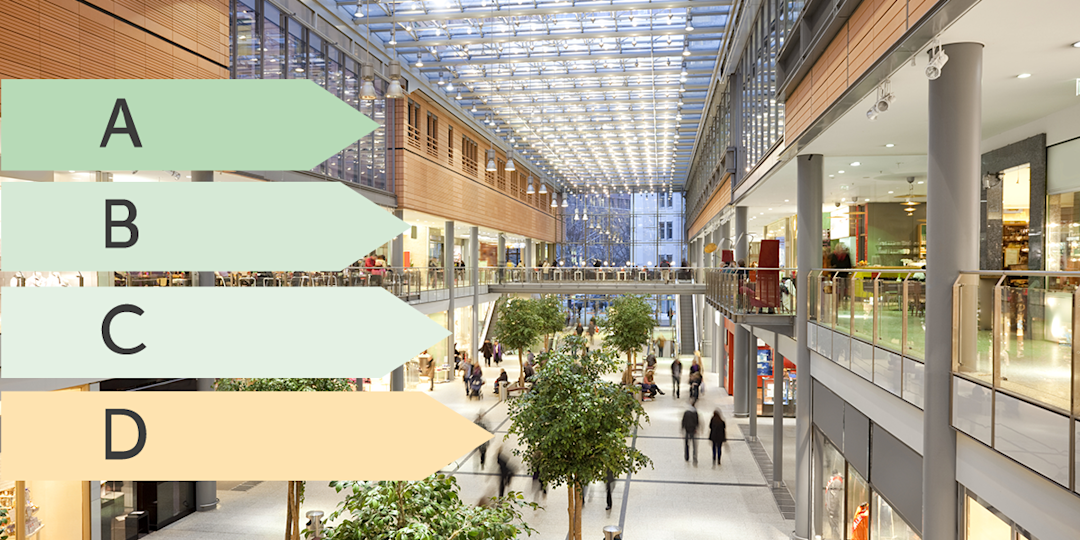
In fact, on the ISO 52120 ranking of A to D, most buildings surveyed by SSE Energy Solutions score around ‘D’ for automation and controls.
Smarter building controls, better energy performance
The good news? Improvements can often be made without major capital investment. Sometimes the solution is as straightforward as adjusting schedules or refining control strategies. In other cases, it can involve adding more sensors, improved monitoring or upgraded controls.
Adrian notes that an ISO 52120 Energy Performance Survey typically delivers the greatest value for organisations with an annual electricity spend of £20,000 or more, with larger and more energy intensive estates often providing the greatest financial and carbon savings.
“It helps us support our customers' energy efficiency and decarbonisation goals by building a clear business case for building control and automation upgrades,” he adds.
Not every organisation needs to start with the full survey. For those looking to understand the potential opportunity, SSE Energy Solutions also offers a free self-service benchmarking tool. The Remote Optimal™ Benchmark Calculator provides an indicative ISO 52120 rating and highlights potential energy, carbon and cost savings in just a few minutes.
Getting the automation and control right can yield major energy savings

Buildings account for around 40% of the UK’s energy use and over 20% of greenhouse gas emissions, with heating, cooling, air-conditioning (HVAC) and lighting accounting for a significant share. Yet international research suggests that optimising building controls and automation can reduce HVAC energy consumption by up to 30% in some commercial buildings – often without major capital investment.
So, for businesses looking to reduce energy costs, lower emissions and improve performance, this is an ideal place to start.
“If I could recommend one thing to other companies when looking at their Scope 2 emissions, it is do that energy audit,” Emily says. “It’s one of the most incredibly useful things you can do to understand where your energy is leaking.”